Mangifera indica 'Maha Chanok' Tree
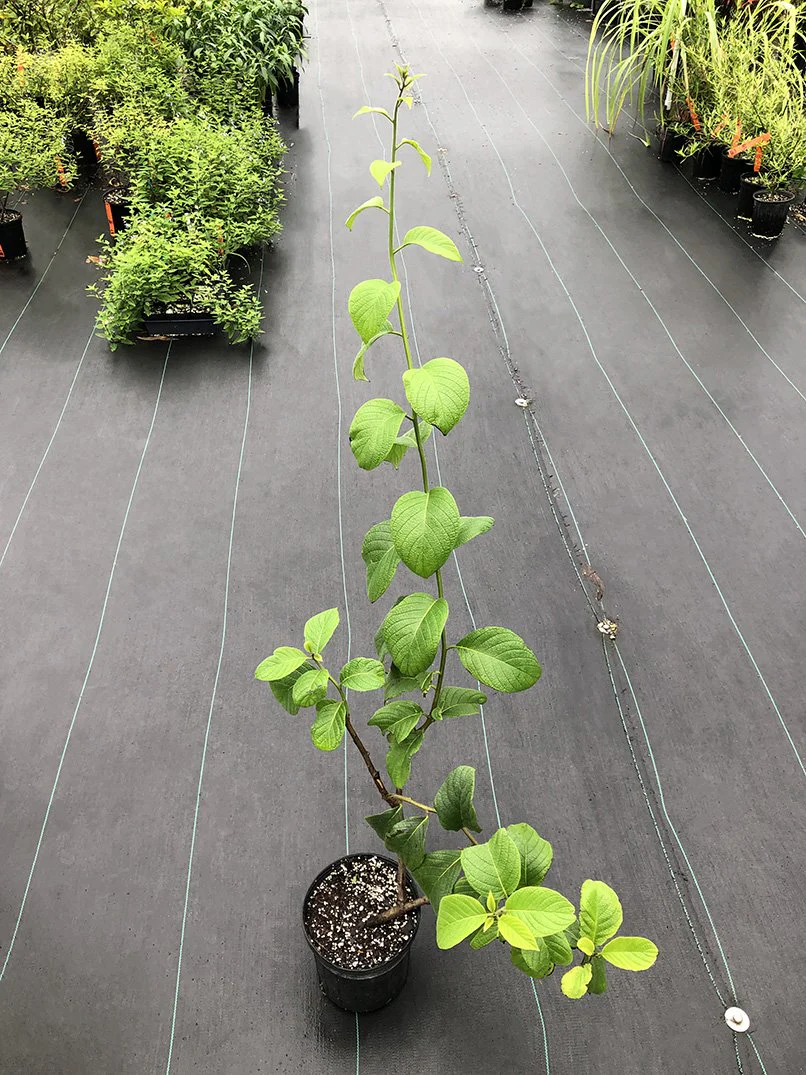
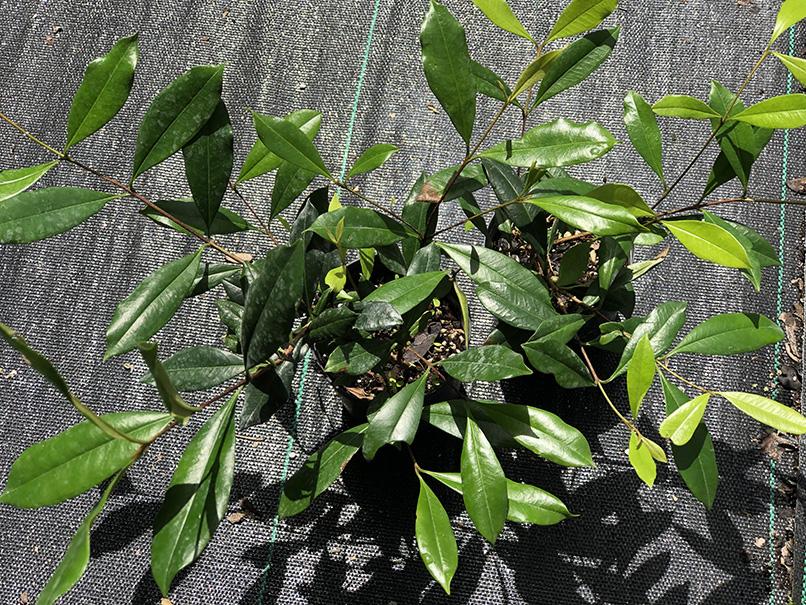
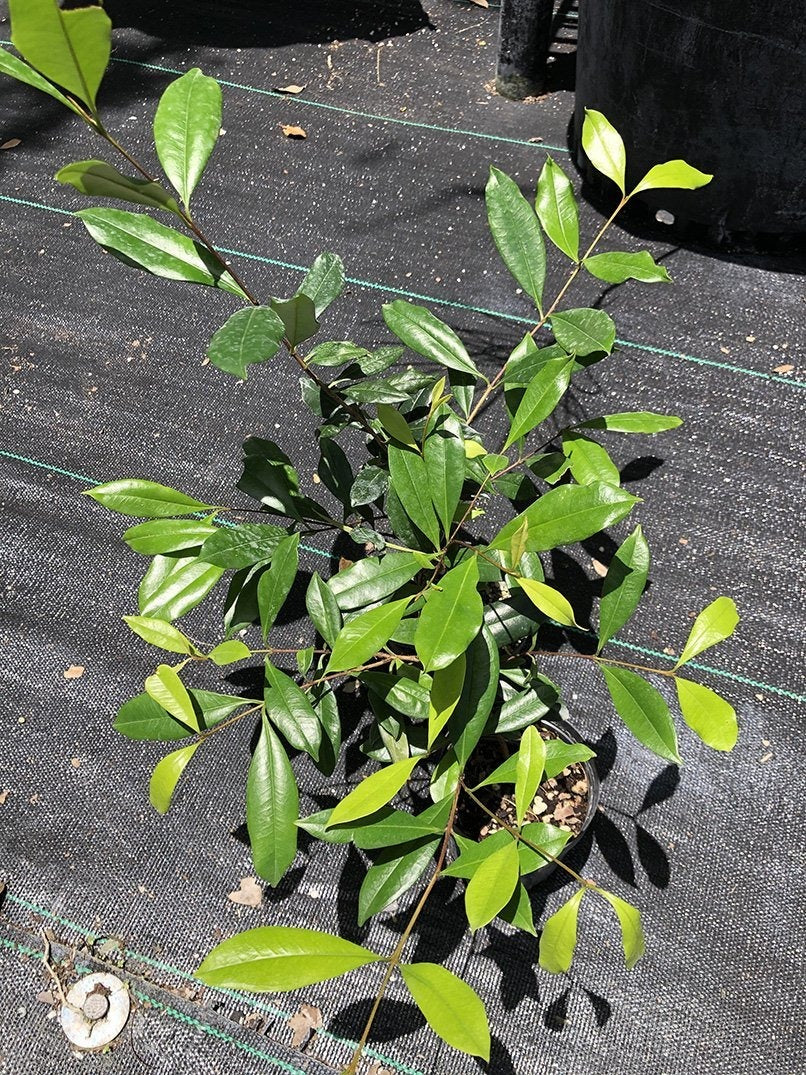
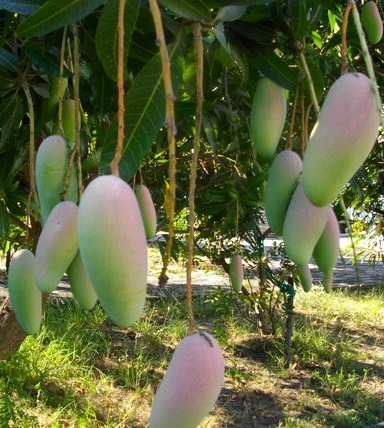
‘Maha Chanok’ is a mid-season mango (June-July) originating from Thailand and is widely admired for both its exceptional flavor and beautiful appearance. The fruit is long and elegant, often developing a striking pink and yellow blush as it ripens. The flavor is rich and complex, combining notes of peach, melon, honey, and floral sweetness with just enough acidity to create excellent balance. The flesh is nearly fiberless, silky smooth, and highly aromatic. Fruit can be enjoyed while still slightly firm or allowed to soften further for additional sweetness. Trees are moderately vigorous with an attractive growth habit and have shown excellent productivity while remaining manageable with routine pruning. (Pot size: 3 gallon)
Mango Care: To get the most out of your new mango tree dedicate an area in your yard for it away from other trees and structures. Your new mango wants full sun, the more sun the more fruit you'll have. For the first 30 days you must water your mango tree to get it established, it does not want to be over watered. Look for a flush of leaves in the first month or so, this will tell you it's growing well. Once established mango trees do not want too much water and are drought resistant. You may want to sparingly fertilize at the end of August with a simple 6-6-6 fertilizer. The nitrogen in fertilizer, the first number, will help your tree grow leaves. The second number, phosphorous encourages roots. The third, potassium creates the fruit. In the following years you may only be fertilizing with potassium for a good crop of fruit.
If you'd like to learn more about site selection, planting, proper irrigation, more advanced fertilizing, and pruning for your mango tree please check out the University of Florida's Agricultural Extension office's site on proper home mango care.
Product Information
Product Information
Shipping & Returns
Shipping & Returns
Description
‘Maha Chanok’ is a mid-season mango (June-July) originating from Thailand and is widely admired for both its exceptional flavor and beautiful appearance. The fruit is long and elegant, often developing a striking pink and yellow blush as it ripens. The flavor is rich and complex, combining notes of peach, melon, honey, and floral sweetness with just enough acidity to create excellent balance. The flesh is nearly fiberless, silky smooth, and highly aromatic. Fruit can be enjoyed while still slightly firm or allowed to soften further for additional sweetness. Trees are moderately vigorous with an attractive growth habit and have shown excellent productivity while remaining manageable with routine pruning. (Pot size: 3 gallon)
Mango Care: To get the most out of your new mango tree dedicate an area in your yard for it away from other trees and structures. Your new mango wants full sun, the more sun the more fruit you'll have. For the first 30 days you must water your mango tree to get it established, it does not want to be over watered. Look for a flush of leaves in the first month or so, this will tell you it's growing well. Once established mango trees do not want too much water and are drought resistant. You may want to sparingly fertilize at the end of August with a simple 6-6-6 fertilizer. The nitrogen in fertilizer, the first number, will help your tree grow leaves. The second number, phosphorous encourages roots. The third, potassium creates the fruit. In the following years you may only be fertilizing with potassium for a good crop of fruit.
If you'd like to learn more about site selection, planting, proper irrigation, more advanced fertilizing, and pruning for your mango tree please check out the University of Florida's Agricultural Extension office's site on proper home mango care.