Mangifera indica 'Gary' Tree
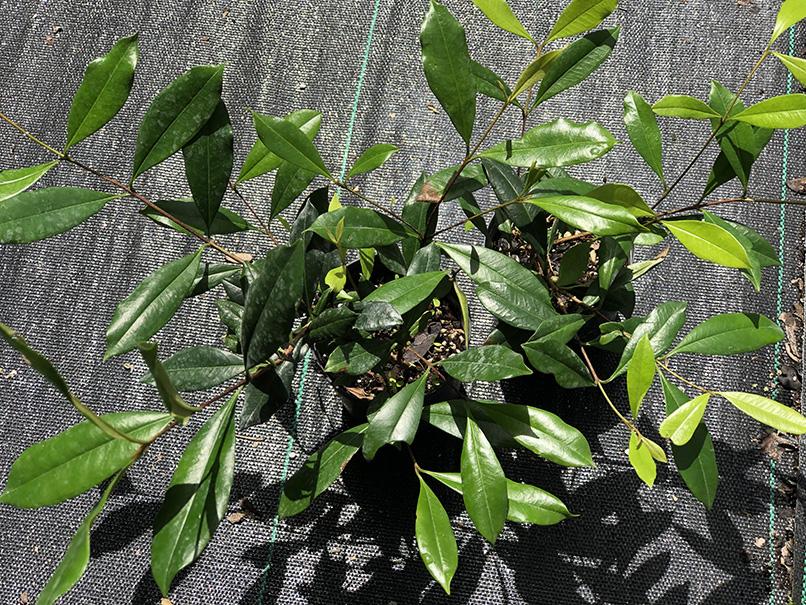
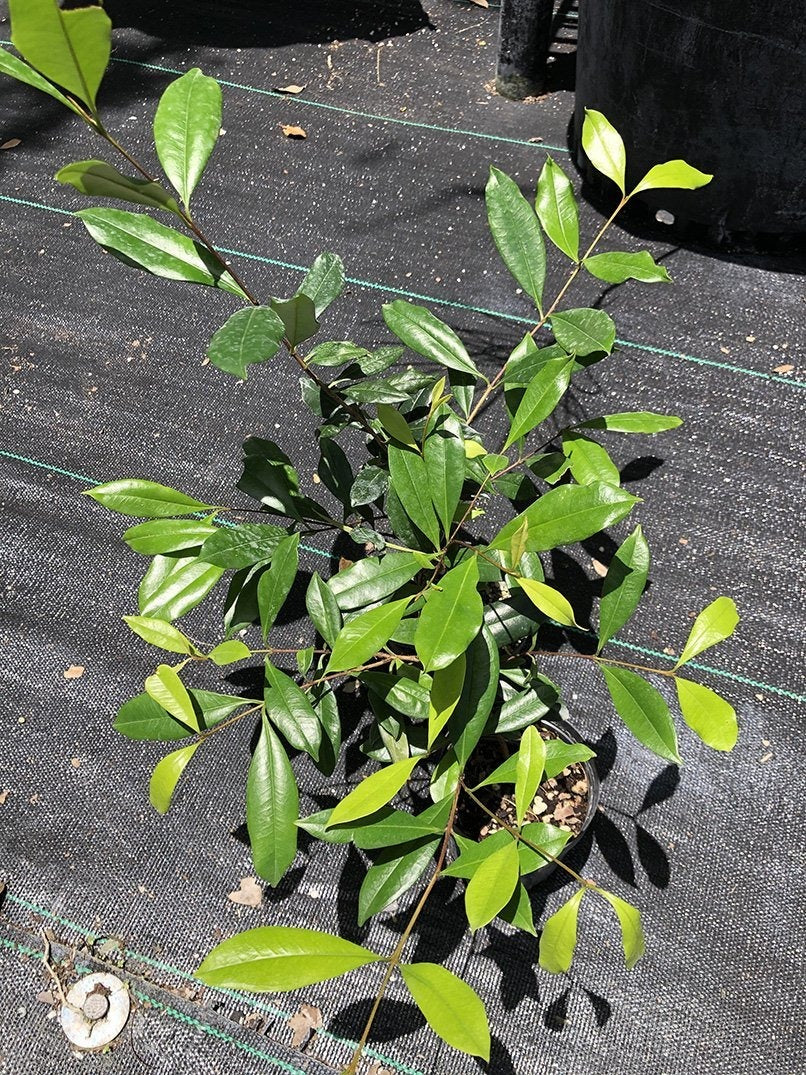
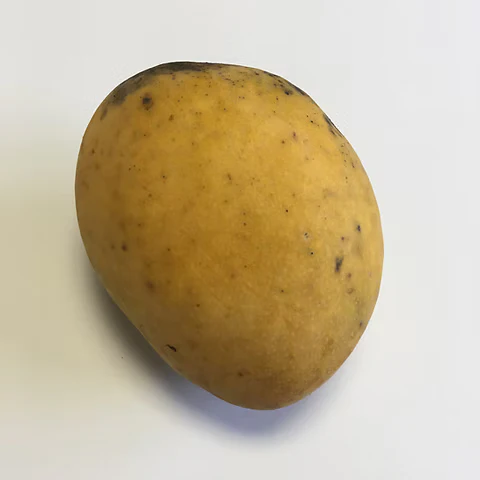
‘Gary’ is an early-to-mid season mango (June-July) and is highly sought after for its unique coconut-influenced flavor. The fruit is medium-sized with yellow skin at maturity and fiberless flesh that is rich, creamy, and aromatic. When fully ripe, the flavor combines tropical sweetness with distinct notes of coconut, making it a favorite among collectors and mango enthusiasts. The fruit is best enjoyed when softened and fragrant, allowing its complex flavor profile to fully develop. Trees have a naturally compact growth habit and moderate vigor, making them well-suited for smaller yards and container culture while remaining productive and manageable. (Pot size: 3 gallon)
Mango Care: To get the most out of your new mango tree dedicate an area in your yard for it away from other trees and structures. Your new mango wants full sun, the more sun the more fruit you'll have. For the first 30 days you must water your mango tree to get it established, it does not want to be over watered. Look for a flush of leaves in the first month or so, this will tell you it's growing well. Once established mango trees do not want too much water and are drought resistant. You may want to sparingly fertilize at the end of August with a simple 6-6-6 fertilizer. The nitrogen in fertilizer, the first number, will help your tree grow leaves. The second number, phosphorous encourages roots. The third, potassium creates the fruit. In the following years you may only be fertilizing with potassium for a good crop of fruit.
If you'd like to learn more about site selection, planting, proper irrigation, more advanced fertilizing, and pruning for your mango tree please check out the University of Florida's Agricultural Extension office's site on proper home mango care.
Original: $65.00
-65%$65.00
$22.75Product Information
Product Information
Shipping & Returns
Shipping & Returns
Description
‘Gary’ is an early-to-mid season mango (June-July) and is highly sought after for its unique coconut-influenced flavor. The fruit is medium-sized with yellow skin at maturity and fiberless flesh that is rich, creamy, and aromatic. When fully ripe, the flavor combines tropical sweetness with distinct notes of coconut, making it a favorite among collectors and mango enthusiasts. The fruit is best enjoyed when softened and fragrant, allowing its complex flavor profile to fully develop. Trees have a naturally compact growth habit and moderate vigor, making them well-suited for smaller yards and container culture while remaining productive and manageable. (Pot size: 3 gallon)
Mango Care: To get the most out of your new mango tree dedicate an area in your yard for it away from other trees and structures. Your new mango wants full sun, the more sun the more fruit you'll have. For the first 30 days you must water your mango tree to get it established, it does not want to be over watered. Look for a flush of leaves in the first month or so, this will tell you it's growing well. Once established mango trees do not want too much water and are drought resistant. You may want to sparingly fertilize at the end of August with a simple 6-6-6 fertilizer. The nitrogen in fertilizer, the first number, will help your tree grow leaves. The second number, phosphorous encourages roots. The third, potassium creates the fruit. In the following years you may only be fertilizing with potassium for a good crop of fruit.
If you'd like to learn more about site selection, planting, proper irrigation, more advanced fertilizing, and pruning for your mango tree please check out the University of Florida's Agricultural Extension office's site on proper home mango care.